Card-Insertion Prepaid Electricity Meter: The Essential Tool for Rental Property Electricity Management
What is a Card-Insertion Prepaid Electricity Meter?
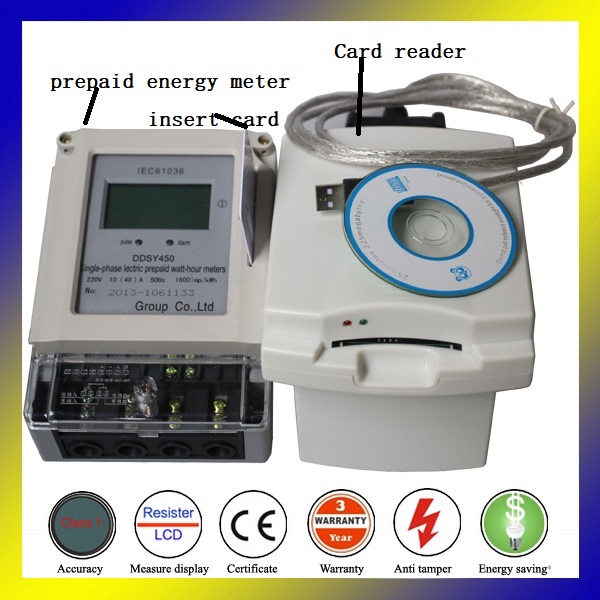
A card-insertion prepaid electricity meter, commonly known as a smart prepaid meter or IC card meter, is an advanced kwh meter that operates on a “pay-first, use-later” principle. This smart meter requires users to recharge a dedicated IC card and insert it (card insertion) into the dual display meter to activate the electricity supply. Its core value lies in completely transforming the traditional post-paid model into a proactive prepaid energy meter system, enabling efficient management and anti-theft electricity features. While this model is distinct from more advanced AMI meter.
Managing electricity in rental properties can be challenging. Traditional billing methods often lead to disputes and unpaid bills.
A card-insertion prepaid electricity meter offers a modern solution. This smart prepaid meter allows tenants to pay for electricity in advance.
With features like dual display and anti-theft electricity protection, this kwh meter changes the rental experience.
In this article, we'll explore the benefits and functionalities of card-based prepaid energy meters.
remote prepaid meter systems that enable communication without physical card interaction, it provides a robust and effective solution for many scenarios.
I. Why Rental Properties Need Card-Based Prepaid Electricity Meters
Completely eliminates the risk of tenants defaulting on utility payments, a core benefit of the implementation of a prepaid metering system addresses this issue.
Prevents disputes over “historical arrears” after tenants move out.
Streamlines daily management, saving time and effort for landlords.
Clearly delineates energy responsibility, avoiding uneven cost sharing.
II. Core Functions of Card-Based Prepaid Electricity Meters
Prepayment Function: Electricity is purchased in advance and stored on an IC card; the meter reads the card to record the stored electricity.
Balance Alert & Reminder: The meter gives a friendly reminder when your credit is running low. Its display stays lit or begins flashing as a clear warning to recharge soon.
Automatic Power Disconnection and Restoration: When the credit runs out, the meter will automatically shut off. To restore power, simply insert a recharged card. Upon reinsertion of a recharged card, power is restored.
Anti-Theft and Security Features: The IC card meter uses high-security encryption to prevent replication. The meter itself has a tamper-proof design and monitors for abnormal usage, enhancing anti-theft electricity protection.
Information Display and Query Function: Users can view all relevant data on the display, a standard feature of this kwh meter.
III. Advantages of Card-Insertion Prepaid Electricity Meters
For Users: Autonomous electricity consumption and transparent spending, enabling rational power planning.
For suppliers and landlords, smart prepaid meters ensure timely payment and avoid the problem of unpaid bills.
This means maximum efficiency and minimal cost for your business.
Intelligent management that effectively controls risks.
IV. Why Choose Junke Electric
Reliability and Efficiency by Design: Our prepaid energy meters are crafted for steady performance and reduced day-to-day management costs.
Safety is Fundamental: We build our smart meters to meet and exceed rigorous international safety standards, protecting what matters most.
An Investment in Performance: Durable construction and superior materials ensure your kwh meter investment endures.
Exceptional Value, Without Compromise: We deliver high-quality, dependable smart prepaid meters at accessible prices.
Summary
Installing a card-insertion prepaid electricity meter is the definitive solution to end rental property electricity disputes. This system delivers key benefits for everyone:
• Landlords gain stable cash flow and no longer need to chase unpaid bills.
• Tenants enjoy full control over their usage and are protected from surprise charges.
This IC card meter solution brings clarity and fairness to rental energy management, making the process efficient for all.

 How to Choose the Right Residential Load Center: The Complete Buying Guide
 Laos Electricité du Laos (EDL) Delegation Visits Beite Transformer Co., Ltd. for Technical Exchange and Strategic Cooperation,Company News
 Inside a Transformer Insulation Material Factory: How Reliable Insulation Components Are Manufactured
 Insulation Coordination for Low-Voltage Switchgear: IEC 61439 Design Requirements Explained

